1
Why strobe, and how flash actually works
Strobe is not brighter light, it is repeatable light. Manual always, sync speed, and the one thing that makes everything else arithmetic: aperture controls the flash, shutter controls the ambient.
Studio & retouching · Beirut · Arabic & English
Strobe lighting and commercial retouching, for photographers who already shoot food.
101 taught you to find good light. This teaches you to build it — and to finish like an agency. Eight live sessions, ten seats. Next group dates: TBA.
The honest version
If you shoot food on natural light, everything you produce depends on things you do not control. The window. The hour. The season. Whether the client's shoot day happens to be overcast.
You can be genuinely good and still not be able to promise a brand that Tuesday's images will match Thursday's. And you cannot shoot a splash at all — your 1/8000 shutter froze nothing and you have never been told why.
The difference between a photographer a café hires and one a brand hires is not taste. It is repeatability.
Strobe gives you that: the same frame at 3pm or 3am, in any room, at f/11 with no noise. And Photoshop gives you the other half — the commercial image you get paid for often never existed in a single exposure.
Ninety minutes each, twice a week, over four weeks. Every session opens with your last assignment on screen, and most assignments are submitted with a lighting diagram or a layered file — because the file is the proof.
Week 1 — The light you build
Strobe is not brighter light, it is repeatable light. Manual always, sync speed, and the one thing that makes everything else arithmetic: aperture controls the flash, shutter controls the ambient.
The modifier does more to the picture than the light does. Size and distance are softness — that one rule explains every modifier ever made. Then the same look, built from foam board and tracing paper.
One dish lit entirely by strobe with the ambient killed, delivered with a written setup diagram. Then the same dish twice — once soft, once hard, both deliberate and both defensible.
Week 2 — Control
You never set up three lights. You set up one light three times. Key, fill and rim, backlight through a scrim for drinks, and reading any professional image back into a diagram.
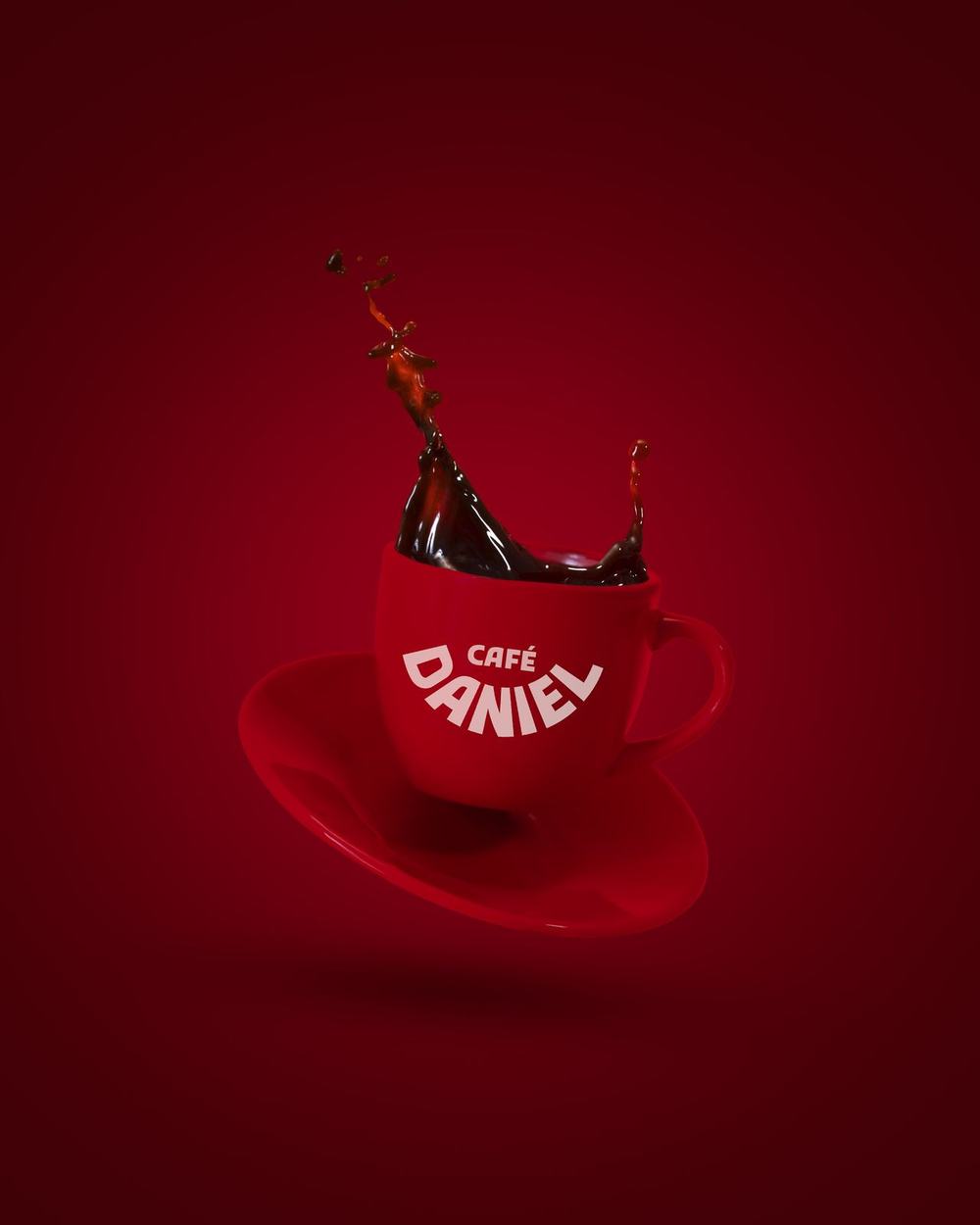
The session FOOD 101 could not give you. Flash duration versus shutter speed — why your 1/8000 still blurred the splash and a strobe at 1/8 power doesn't. Plus rigs that give you thirty attempts.
A drink with a lit background and a controlled highlight, submitted with your diagram. Then one frozen liquid or falling element — and you tell the room how many attempts it took.
Week 3 — Finish like an agency
Lightroom is for the pass, Photoshop is for the work. Non-destructive discipline, versioning that survives a client's change request six months later, and focus stacking done properly.
The highest-value session here. The perfect pour, the perfect plate, the perfect background — three frames, one photograph. Masking liquid and steam, and the contact shadow amateurs always miss.
A focus-stacked hero delivered with the layers intact. Then a composite from at least three exposures — final image and layered file, because how you built it is the thing being marked.
Week 4 — Craft and delivery
Sculpting with light, not smoothing with sliders. Dodge and burn for volume and appetite, matching a brand's exact colour, and knowing when to stop — over-retouched food stops looking edible.
Cutouts and clipping paths — the boring skill that earns repeat work. Export standards, a reusable lighting library so you can quote a look before you shoot it, and approaching brands rather than restaurants.
Your work from both courses looked at as one portfolio. These are the photographers who become collaborators — and eventually the people I call when I cannot take a job.
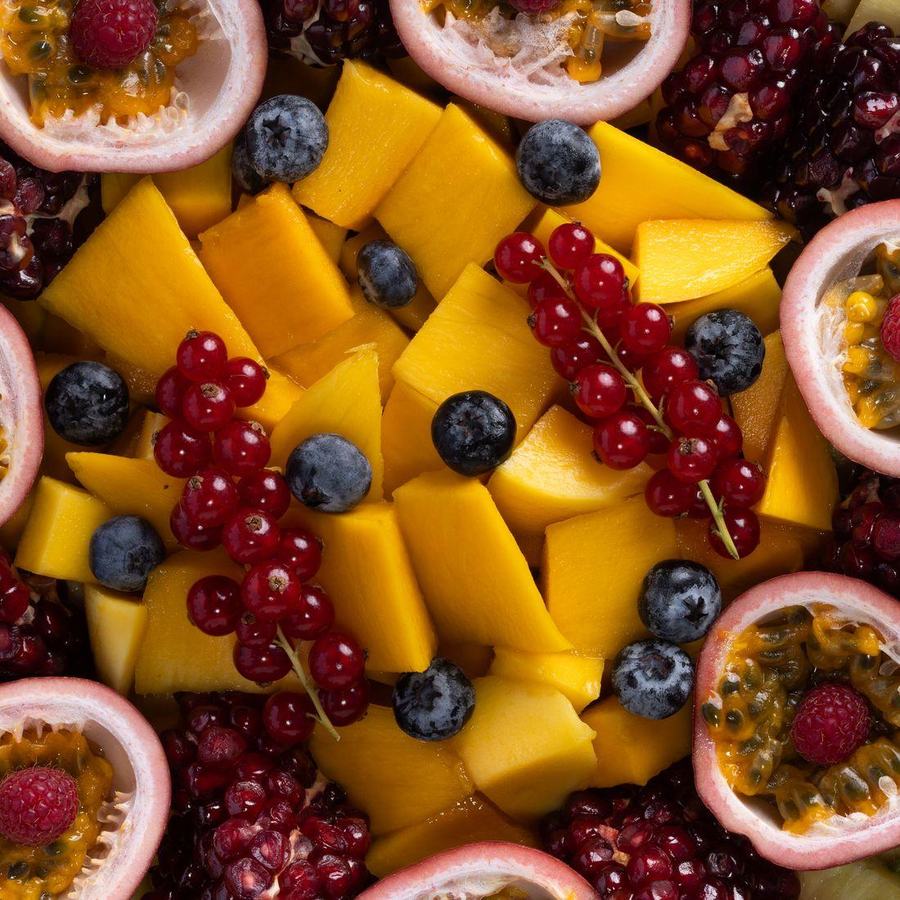
Four frames of mine that a window could not have produced. Each one is a session in this course.
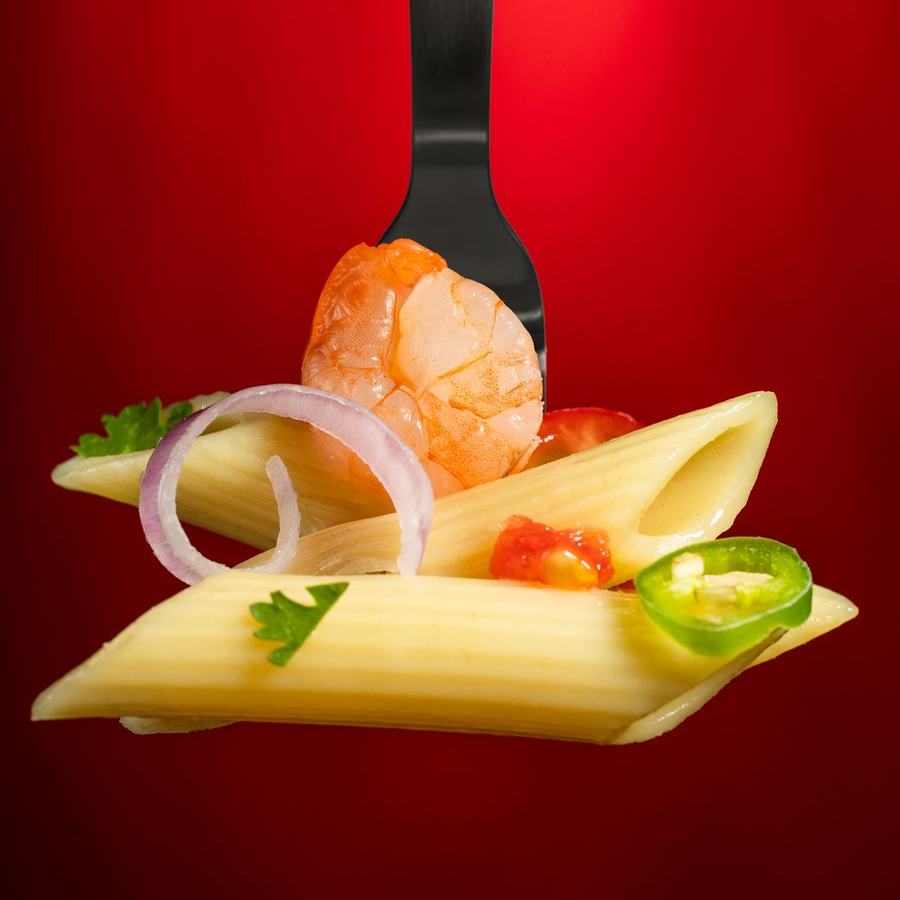
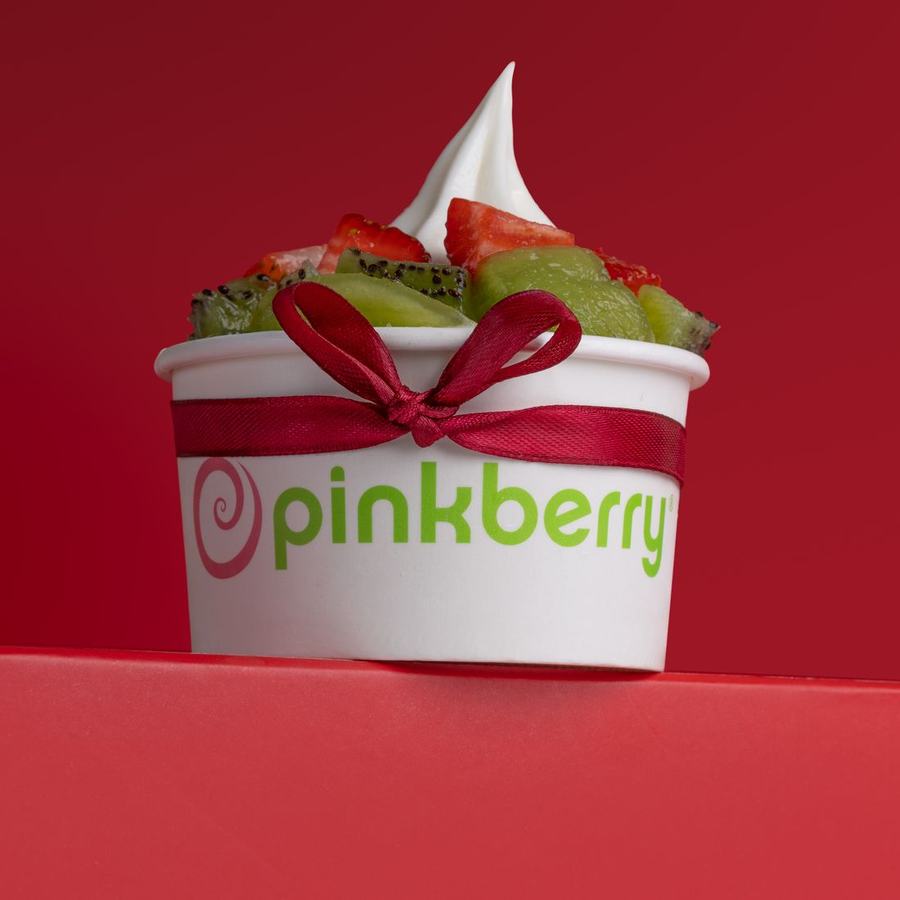
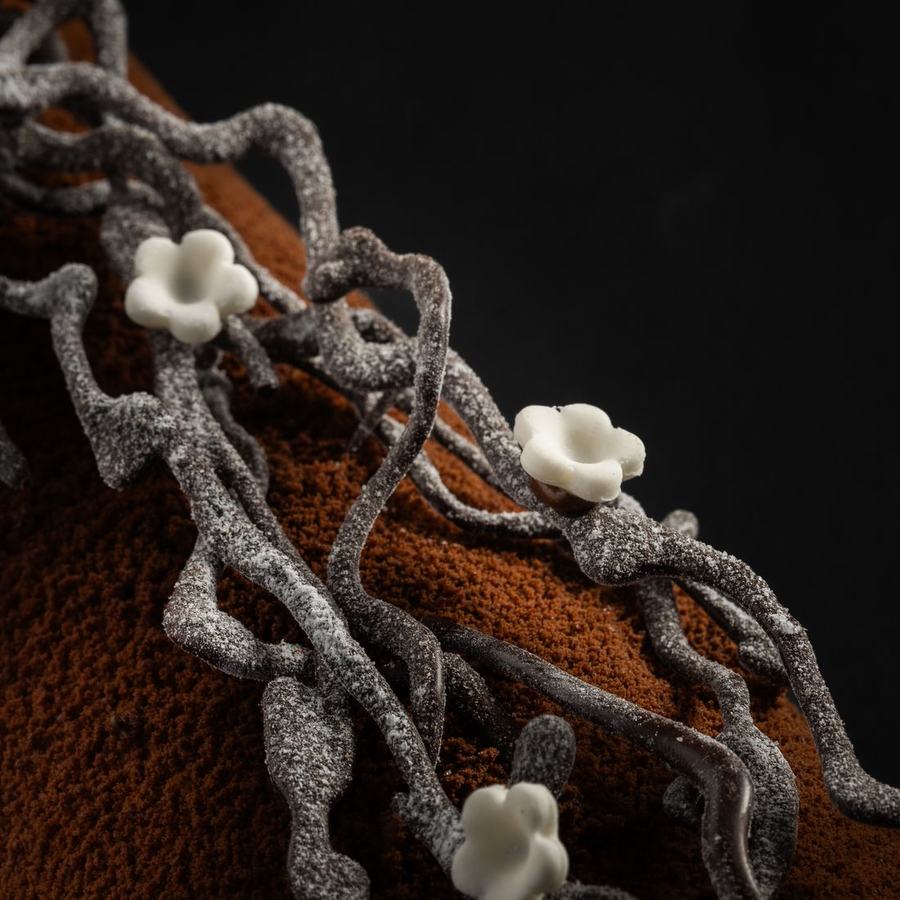
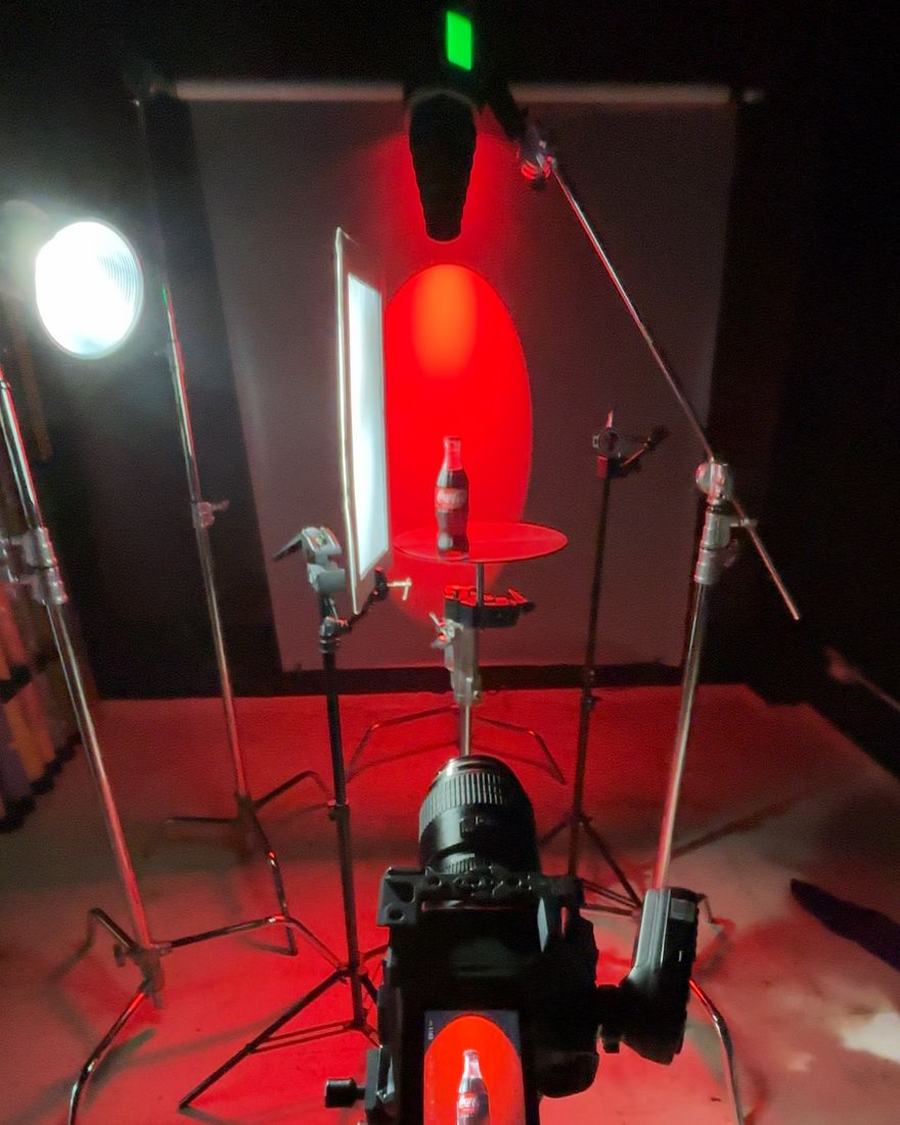
This is the one course in the ladder with a real equipment requirement, and I would rather put it on this page than in a welcome email.
You need one strobe or speedlight, a trigger, and one modifier. That is the floor. A $100 second-hand speedlight and an umbrella covers about eighty percent of what we do.
The other twenty percent — the fastest pour and splash work in Session 4 — needs genuine flash duration, which cheap speedlights at high power do not have. You will still learn it, still watch it done live, and still be able to shoot it the day you have the light. But you should know that going in rather than discovering it in week two.
You also need Photoshop for weeks 3 and 4. Lightroom alone will not do it.
Foam board, tracing paper and black card do more than anything you can buy. Session 2 is partly a shopping list from a hardware store.
Eight live sessions, every demo narrated as it is shot, and your files — not just your images — critiqued every week.
Dates are TBA. FOOD 102 runs after FOOD 101 has run once, so the demos are refined before anyone pays $300 for them.
Go on the list and you will get the dates first. FOOD 101 graduates get first refusal on the ten seats.
FOOD 101, or demonstrated commercial food work. If you already shoot food for paying clients and just want the strobe and retouching half, send me some work and we will talk.
This is the one prerequisite in the ladder that is real rather than administrative. Week 1 assumes you already know how to read light on a plate — it teaches you to make it, not to see it.
One strobe or speedlight with manual power control, a trigger, and one modifier. A second-hand speedlight and an umbrella is a completely legitimate way to do this course.
The honest caveat: the fastest splash work in Session 4 needs real flash duration, which a cheap speedlight at full power does not have. You will learn it and see it done, and you will be able to shoot it the day you have the light.
Message me with what you own before you buy anything. I would rather tell you it is enough than sell you a course.
Yes, from Session 5. Half this course is post-production and Lightroom cannot do it — the moment you need to move pixels, composite, or stack focus, you need Photoshop.
Everything is food. The strip box is taught because it draws the edge of a glass. Multi-light is taught by building the standard beverage setup. Flash duration is taught through a pour, not a dancer.
Generic studio lighting competes with the entire internet. This competes with almost nobody, and it is taught by someone who shoots it commercially rather than someone who teaches it.
Under consideration for Session 4 — the pour session genuinely wants bodies in a room, and it would solve the gear problem for anyone without a strong light. If it happens it will be announced before enrolment opens, never added after you have paid.
Say on WhatsApp whether you would come in person. Enough yeses and it happens.
Both, the way everyone in Beirut actually speaks. Technical terms stay in English because that is what is printed on the gear and in the software — everything else gets explained in Arabic.
Three courses, in order. Each one assumes the last.
Introduction to photography. Get off automatic and start deciding.
Commercial food photography. Six portfolio images and the knowledge to price the job.
Strobes and commercial retouching. Build the light instead of finding it.
Message me on WhatsApp — tell me what light you own and what you shoot now. I will tell you honestly whether this is your next course or whether 101 is.