1
How food is actually lit
Food is lit from behind and the side, almost never from the front. Why front light kills texture — and texture is appetite. Then five professional images on screen and you call out where the light was.
Food photography course · Beirut · Arabic & English
Commercial food photography, taught by someone who shoots it for a living.
You finish with six portfolio images and the knowledge to price the job. Eight live sessions, ten seats. Next group dates: TBA.
The honest version
Everybody who wants to shoot food commercially gets stuck in the same loop. A restaurant wants to see food photography before they hire you. You have no food photography, because nobody has hired you.
Meanwhile there is no shortage of information. There are ten thousand videos explaining backlight. You have probably watched a hundred of them, and your photographs still look like a menu board.
You do not have a knowledge problem. You have a portfolio problem, and a pricing problem.
So this course breaks the loop from both ends. Every week you shoot one portfolio piece, briefed the way a client would brief it — deliverable, format, constraints, deadline. Six weeks, six pieces, reviewed as a body of work. And in the final session you learn what to charge for them.
Ninety minutes each, twice a week, over four weeks. Every session opens with your work from the last one on screen and closes with a brief for the next.
Week 1 — Light
Food is lit from behind and the side, almost never from the front. Why front light kills texture — and texture is appetite. Then five professional images on screen and you call out where the light was.
One window, a reflector and a piece of black card beat most expensive kit. Negative fill is the most underused tool in food photography and the one that makes images look expensive.
One dish backlit for texture. Then the same dish re-shot with controlled fill, delivered side by side — your first before-and-after proof that you know what you changed and why.
Week 2 — The frame
The food tells you the angle — you read it, you don't choose it. Overhead, 45° and straight-on hero, why food is shot long, and shooting one setup so the client gets vertical, horizontal and square.
The photograph is built before the camera comes out. Surfaces, props that earn their place, room for the client's text — and the freshness clock. Ice cream, foam and steam die in ninety seconds.
One dish at three angles, and you defend your hero. Then a styled scene with a clear hero and one supporting element — nothing in frame that isn't helping.
Week 3 — Craft
Commercial work is a process, not a moment. Tethering, working to a written shot list, where to place focus on a plate, and why twelve images for a client have to look like siblings.
The things that move are what brands pay most for. The pour, the drip, the steam, the cheese pull. How to build a rig that gives you twenty attempts instead of one lucky frame.
Three images that clearly belong together — consistency is the grade, not individual beauty. Then one motion frame: liquid, steam or fall.
Week 4 — Delivery and business
Food retouching is about consistency and appetite, not filters. Colour accuracy, because the client's product has to look like their product. Cleanup, a look applied across a set, and exporting properly.
Day rates versus per-image. Usage rights, which most photographers here give away for free without knowing it. Reading a brief, quoting, and approaching brands with no portfolio yet.
Six pieces reviewed together, not one at a time — because that is how a client will look at them. Then an honest map of what you still cannot do, and where it is taught.
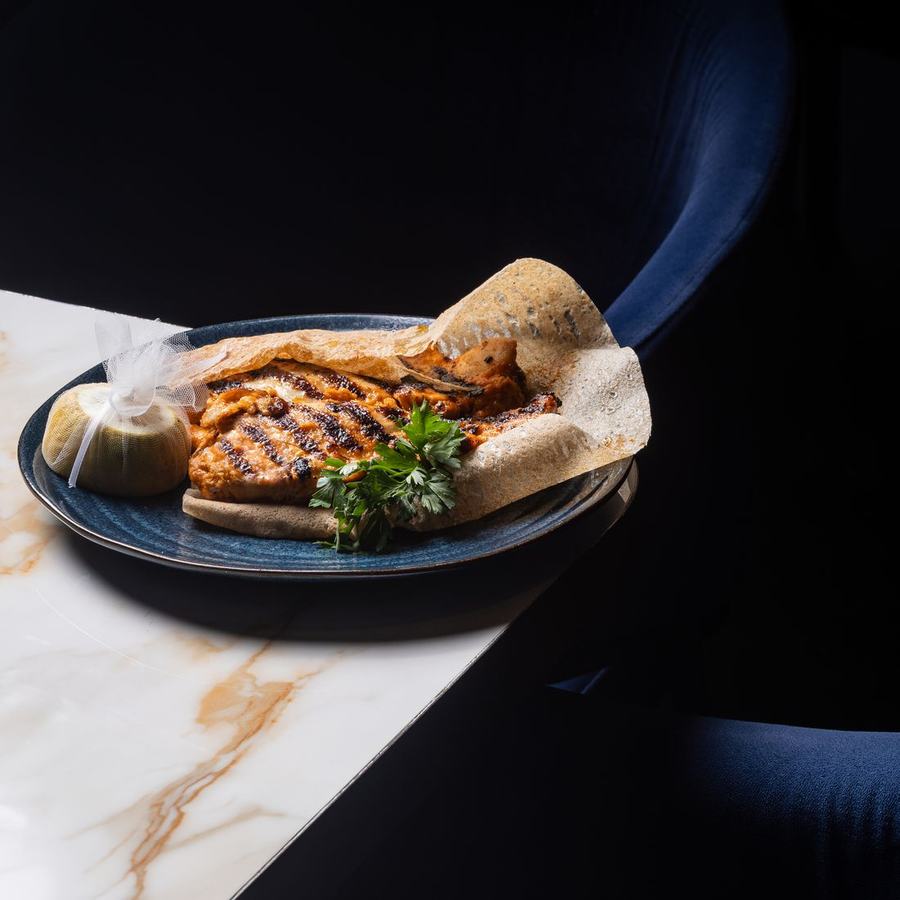
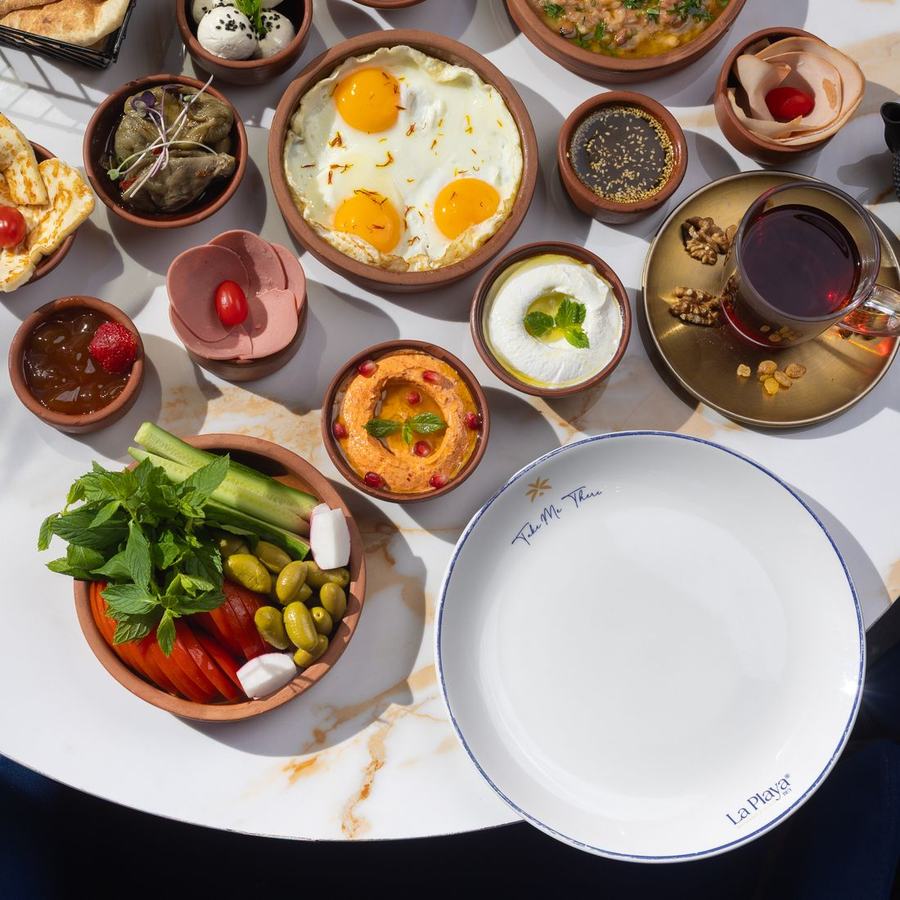
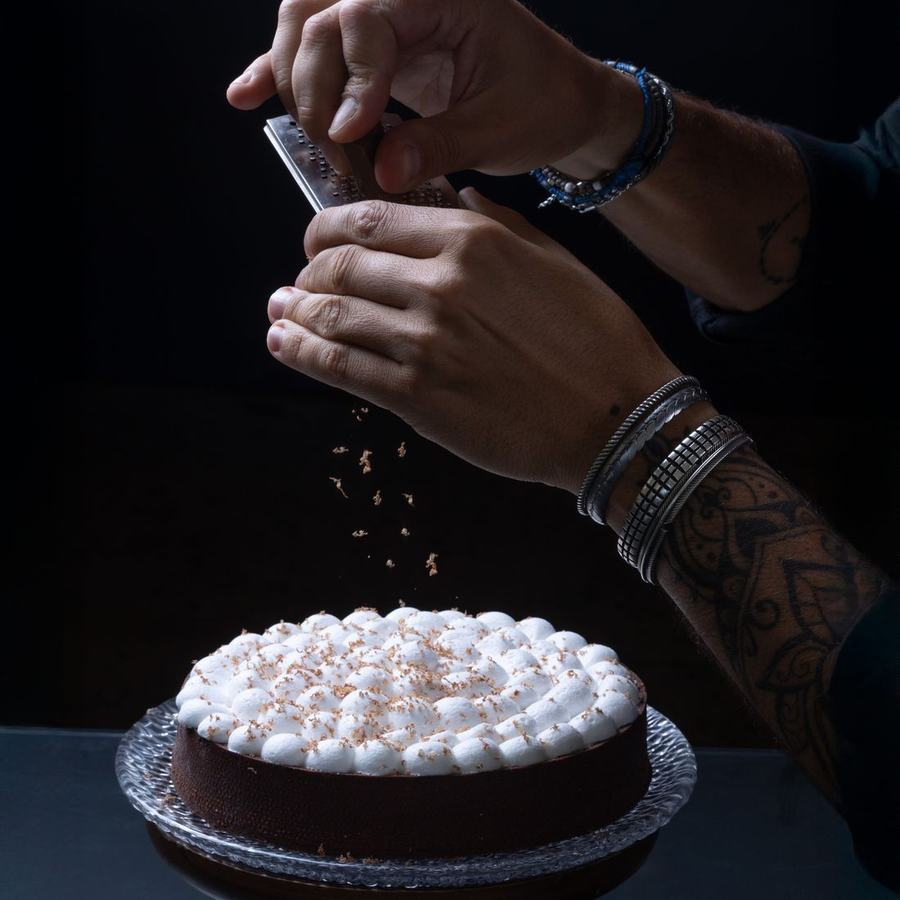
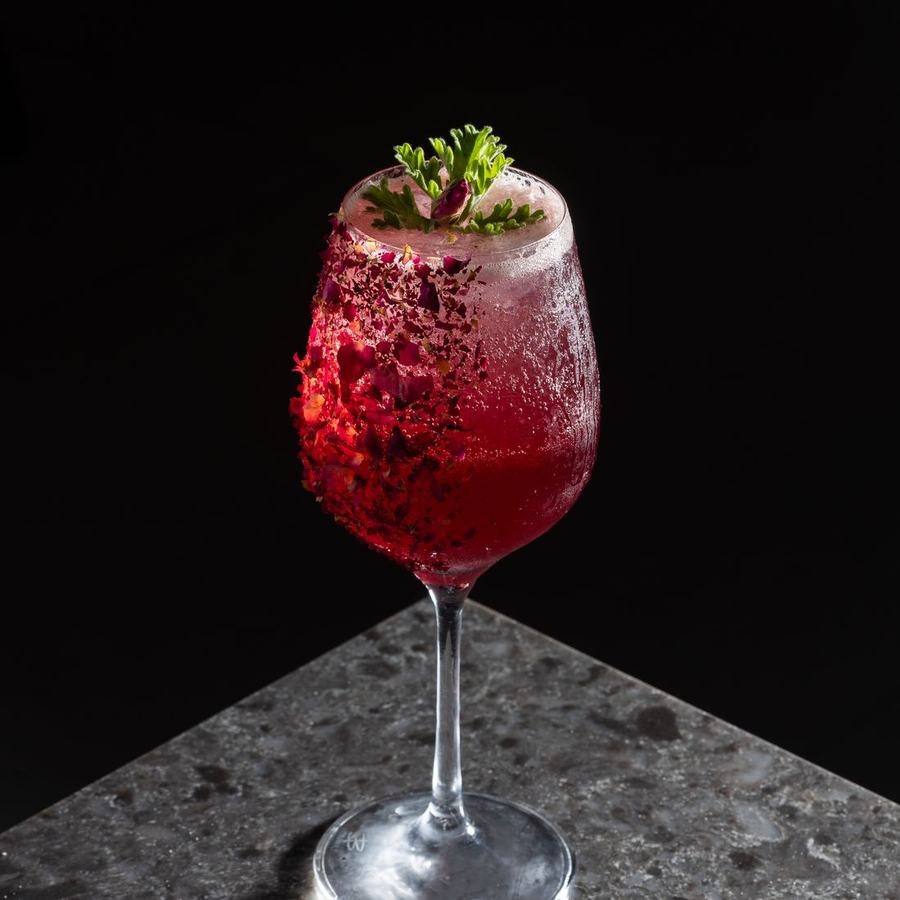
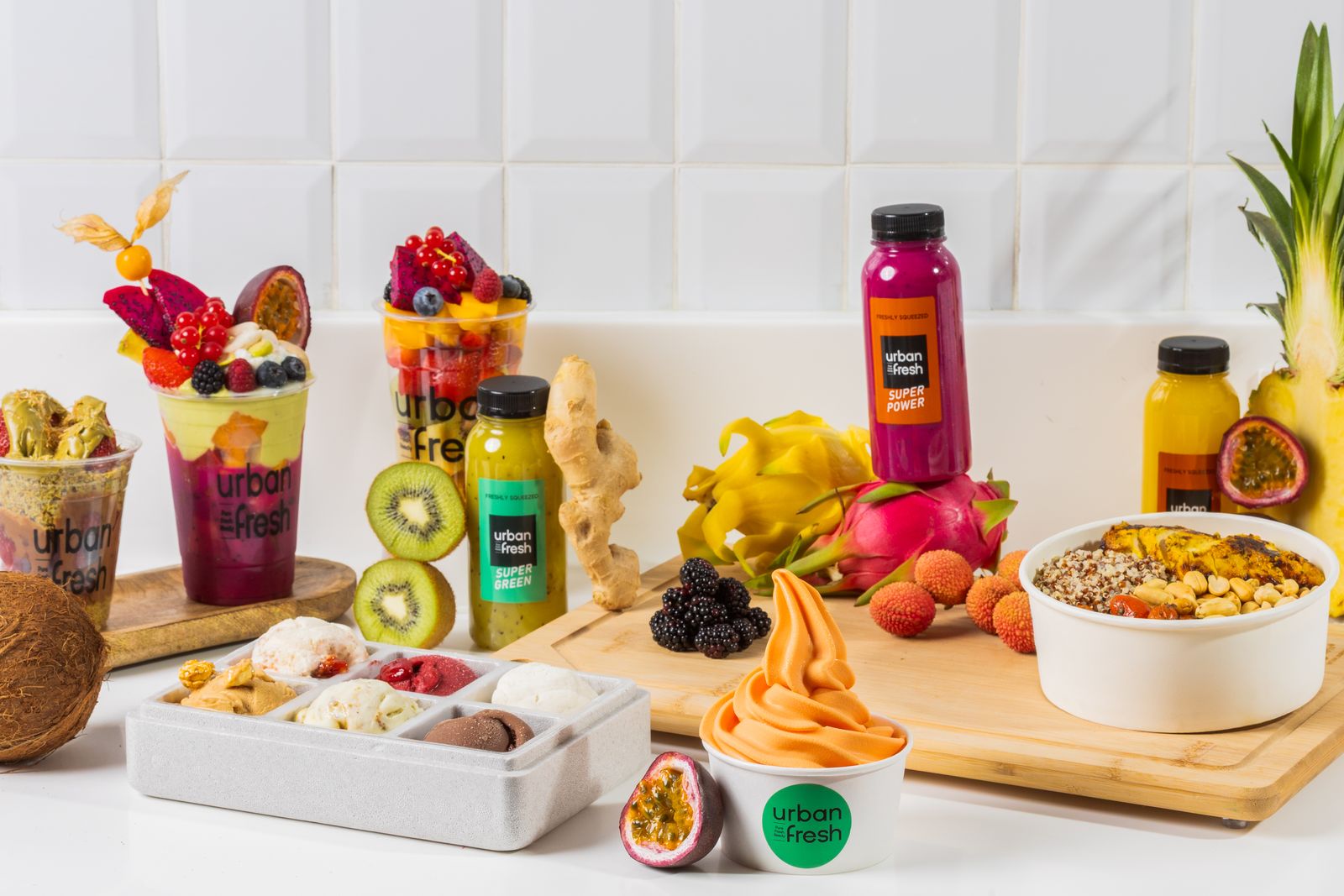
Four of my own frames, and the session each one belongs to. Every technique in this course is something I use on paid work.
Because of Session 8, mostly.
Every food photography tutorial on the internet teaches light and styling. Almost none of them teach the business — how to read a brief, build a shot list, price a day, handle usage rights, and approach a brand when you have nothing to show yet. That knowledge is genuinely scarce, and it is the entire difference between a hobby and a job.
Learning to make the picture is half of it. Learning what the picture is worth is the half nobody teaches.
And because it is twice the hours of the intro course, at ten seats instead of twenty — which means when your work goes on screen, there is time to actually take it apart.
If you want a hobby course, take OFF AUTO and enjoy it. This one is for people who intend to charge.
I shoot food and drink commercially in Beirut, for premium brands, this week and next week. Not as a side interest — it is the job. Photography where the light has to be right the first time, the product has to look like the product, and a client is waiting on the other side of it.
But I never went to photography school. I started as a hobbyist shooting landscapes, moved into product, then food, and ended up in tabletop. All of it came from experimenting: shoot, fail, work out why, shoot again. Ten years of that.
Everything in this course is something I have actually been paid to do, and got wrong first.
That matters more than it sounds. I am not teaching you a technique I read about — I am teaching you the version that survives a real shoot, with the compromises still attached. What the brief said, what went wrong, what the client changed their mind about, and what I would do differently now.
Nobody teaching food photography from a syllabus can give you that. It is worth more than any single technique in the eight sessions.
The critique block is fifteen minutes, every session, no exceptions. At ten seats that is real airtime — and it is the part you are actually paying for.
The official prerequisite is OFF AUTO. But if you already shoot confidently outside automatic mode, you do not need it — and I am not going to make you pay $50 to prove something you can just show me.
The waiver is free, and it takes me five minutes to review. Send it on WhatsApp any time, including before the dates are announced.
The point is not to keep people out. It is to stop someone who cannot leave auto mode from paying $200 and then drowning in week one, which helps nobody. If you don't pass, I will tell you kindly and point you at the intro course.
Broadly right answers and images that show intent rather than luck. That is the whole bar.
The whole course. Eight live sessions, six briefed portfolio pieces, and your work critiqued every week.
Dates are TBA. Message me to go on the list — you will get the dates before this page does, and the list gets first refusal on the ten seats.
If you already know which days of the week suit you, tell me then. Ten people's availability is a schedule.
OFF AUTO or the free waiver — three photographs shot outside auto mode and three short questions. It is above, it costs nothing, and it takes me five minutes to read.
If you don't pass I will say so kindly and point you at the intro course. Nobody benefits from you paying $200 and drowning in week one.
A camera you can shoot manually, a tripod, and a window. That is genuinely it.
No strobes. This course is built on natural and continuous light on purpose — it is what you will have on most real jobs, and it is where the judgement gets built. A reflector and a piece of black card cost almost nothing and do most of the work. Strobes are FOOD 102.
No. Every assignment is designed around food you can buy or cook yourself, on a surface you already own. Styling is taught as a set of decisions — what earns its place in the frame and what doesn't — not as a shopping list.
Six pieces, and that is the point of the whole structure. Every assignment is briefed the way a client briefs a job: deliverable, format, constraints, deadline. In the last session they get reviewed together as a body of work, which is how a client will look at them.
You will not have a career. You will have the thing that has been blocking you from starting one.
Session 8, entirely. Day rates versus per-image versus packages, why usage matters more than time, licensing, reading a brief before you quote, building a shot list, presenting self-directed work so it doesn't read as spec, and who to approach in Lebanon and what to send them.
This is the session that justifies the price. Almost nobody teaching food photography online will tell you what to charge.
Both, the way everyone in Beirut actually speaks. Technical terms stay in English because that is what is printed on your camera and in the software — everything else gets explained in Arabic.
Whish, OMT or bank transfer, sorted in the chat. Nothing is due to join the list — payment only happens once dates are set and you have confirmed your seat.
Three courses, in order. Each one assumes the last.
Introduction to photography. Get off automatic and start deciding.
Commercial food photography. Six portfolio images and the knowledge to price the job.
Strobes and commercial retouching. Build the light instead of finding it.
Message me on WhatsApp — tell me what you shoot now and whether you want to send the waiver. That is the whole thing.